Parent Partnership & Lived Expertise
From Parent Voice to Shared Influence: What Meaningful Partnership Requires
By Michael Cupeles, CCAP
Published
Asking parents for feedback creates an opening. Meaningful partnership requires a clear connection between their expertise and the decisions an organization makes.
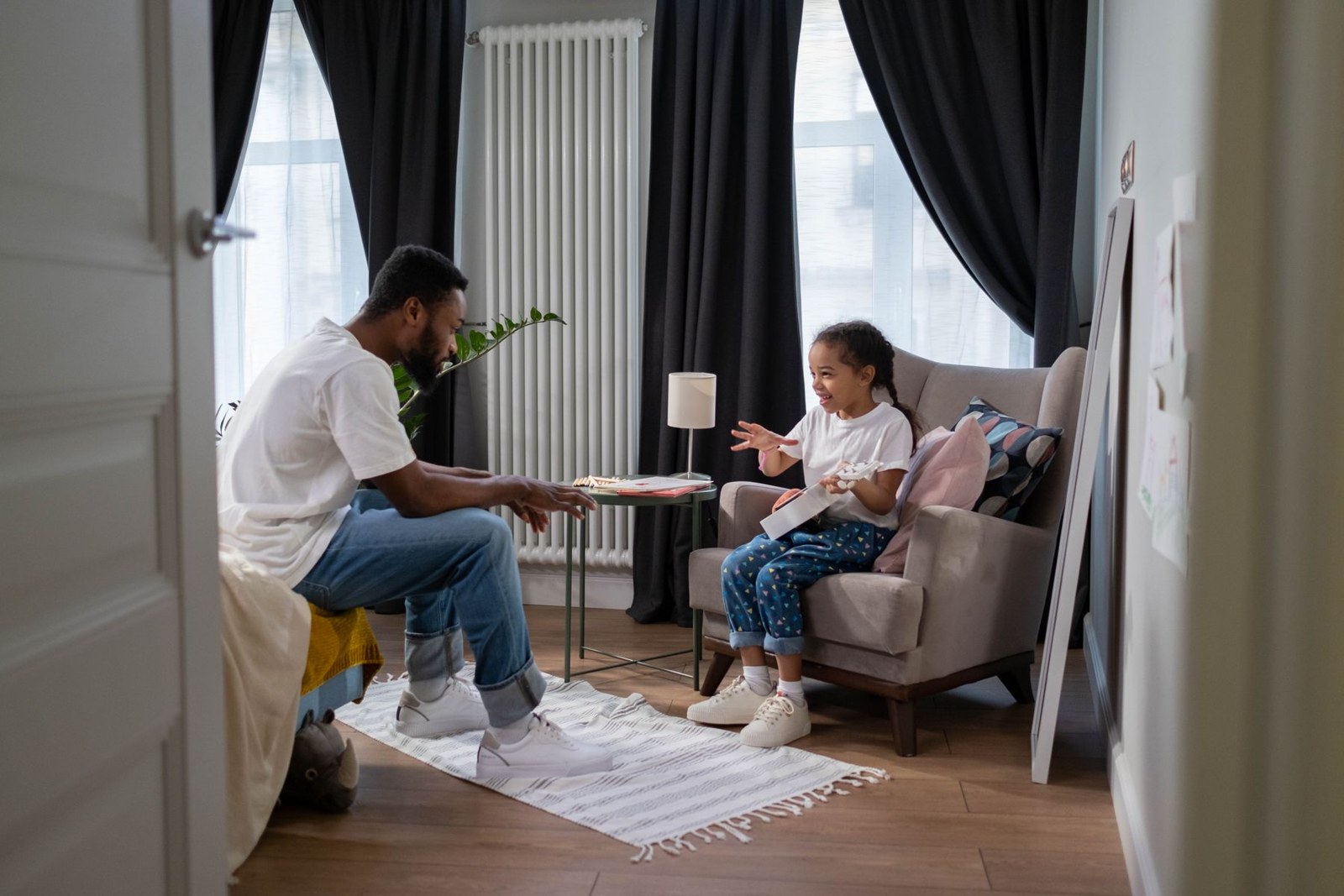
An organization can collect surveys, host listening sessions, and invite parents to an advisory meeting while leaving an important question unanswered: what can parents actually influence?
For me, that question connects fatherhood engagement with the broader work of parent partnership. A father, mother, or other caregiver may be invited into the room. Their presence matters. So does what happens to their knowledge after the meeting ends.
My perspective brings together direct work with fathers and families, staff learning, facilitation, and state and national advisory participation. I approach partnership by looking at how an organization turns what families know into decisions about its everyday work.
This applies across family-support organizations, public agencies, schools, healthcare settings, early childhood programs, and interdisciplinary projects. Each has different responsibilities. Each can explain where family perspectives can shape its practice.
Make the decision visible
Parent voice helps an organization hear experience. Parent leadership creates opportunities for parents to contribute their skills and guide work. Partnership needs a defined relationship between those contributions and organizational decisions.
The FRIENDS National Center’s parent-leadership guidance describes parents and practitioners sharing responsibility, expertise, and leadership in decisions affecting families and communities. Its guidebook, revised in April 2025, also addresses organizational readiness and practical support for participation. [1]
I would begin with one decision: a service process being redesigned, a learning priority being selected, or a referral pathway being reviewed. Name what is open to change, who has authority to approve it, and how parents will participate.
An advisory role, joint design work, and a formal decision-making role carry different expectations. Explain the role honestly. Leaders may retain responsibilities they cannot delegate; that still leaves room to identify meaningful areas of shared work.
Invite parents while choices are still open
The timing of an invitation determines what is available to influence.
If an organization has already chosen its approach and completed its materials, a request for feedback may support a final review. Invite parents earlier when the aim is to help define the problem and develop options.
The Children’s Trust Fund Alliance describes parent partnership as extending into the shaping of programs, policies, and family-strengthening strategies. [2] For a local organization, that can become a practical question: at which point in our planning can parents still change the direction?
Share a short explanation before the meeting: the decision being considered, the options already identified, and the questions that remain. Ask parents whether an important question is missing. Leave time to consider alternatives rather than making the meeting a presentation of a finished answer.
Make participation workable for different parents
A partnership process can unintentionally favor people with flexible schedules, reliable transportation, strong internet access, or comfort with professional language.
Ask prospective participants what would make the work feasible. Consider interpretation, accessible documents, meeting options, childcare or transportation support, and compensation appropriate to the contribution. Explain arrangements and payment procedures before asking people to commit.
Fathers and male caregivers deserve explicit consideration within that planning. An invitation addressed to families does not establish whether fathers are reached directly, have a workable way to participate, or understand the role available to them.
One parent’s experience is valuable; it cannot describe every family. Seek a range of perspectives and offer ways to contribute outside a single meeting. Staff also need time and support to prepare materials, follow up, and carry agreed changes into practice.

Respect expertise without requiring personal disclosure
Lived expertise can identify where a process is confusing, where communication breaks down, or what would make support easier to use. Parents may also bring professional skills, community knowledge, and experience navigating several systems.
They should be able to contribute without being expected to retell painful experiences. Ask what they want to share and what they want kept out of public materials. Obtain specific permission before using a story, quotation, image, or recording.
The Office of Head Start’s relationship guidance emphasizes mutual respect, trust, and a shared agenda with families. [3] I see a practical application across settings: explain the work clearly, allow disagreement, and avoid treating agreement with staff as the measure of a parent’s value.
Give recommendations an owner and a response
After a meeting, parents should know what will happen next.
I would use a short decision record that identifies the recommendation, the person responsible for reviewing it, its current status, and the next agreed review point. Include the parents’ understanding of the recommendation so a useful idea is not lost in a staff summary.
When a suggestion cannot be adopted, explain the reason and discuss any workable alternative. When it is adopted, identify the resulting change and who will help review it. A courteous thank-you is useful, but it does not explain whether the contribution affected the work.
Test partnership through one practical improvement
Consider a hypothetical family-support organization revising its first-contact message.
Parents could help identify what someone needs to understand: who the service is for, what happens after a call, and whom to contact with questions. Staff could explain current procedures and limits. Together, they could review the wording and decide how to test it with additional families before approving it.
The resulting work might include an agreed message, a record of decisions, and a follow-up review. The organization could then examine whether families find the next step clearer. Those are proposed work products and questions for learning, not proof of improved family outcomes.
This example offers a manageable starting point. The same approach can be considered for other decisions, with roles and responsibilities appropriate to the setting.
Look for influence as well as participation
Attendance, survey completion, and satisfaction can describe activity and experience. They do not establish whether parents influenced a decision.
Alongside those measures, review whether parents helped set priorities, develop options, or assess a change. Ask whether they received responses to recommendations and whether the agreed participation arrangements worked.
Staff observations, parent feedback, decision records, and implementation milestones can help an organization understand its own process. Claims about sustained organizational or family outcomes require appropriate evidence beyond those records.
The questions in this article are practice prompts I propose for discussion. They are not a validated assessment or a guarantee of results.
Start with one decision worth sharing
My philosophy is to build systems where fathers, parents, and lived expertise have a meaningful role in shaping practice and decisions.
A useful place to begin is one real organizational decision, a clearly defined parent contribution, and an agreed way to follow through. That makes partnership something people can see in the work.
Want support strengthening parent partnership within your organization? Start a conversation about a tailored engagement.
Sources & Further Reading
- [1] FRIENDS National Center for CBCAP. Meaningful Parent Leadership: Building Effective Parent/Practitioner Collaboration. Revised April 2025.
- [2] Children’s Trust Fund Alliance. Training and Technical Assistance.
- [3] Office of Head Start. Getting Started: Family Engagement and Positive Goal-Oriented Relationships.